

Rethinking the AI Handheld Controller: Why I'm DIYing a Walk-and-Talk Voice Device
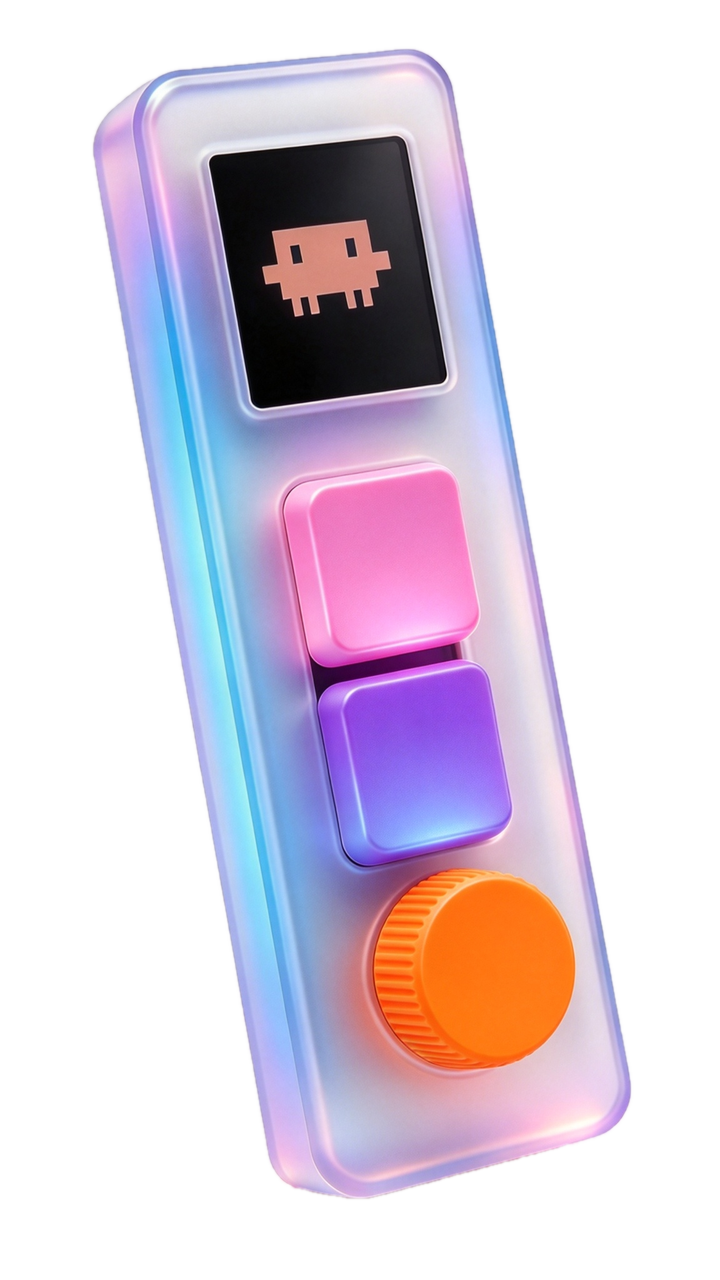
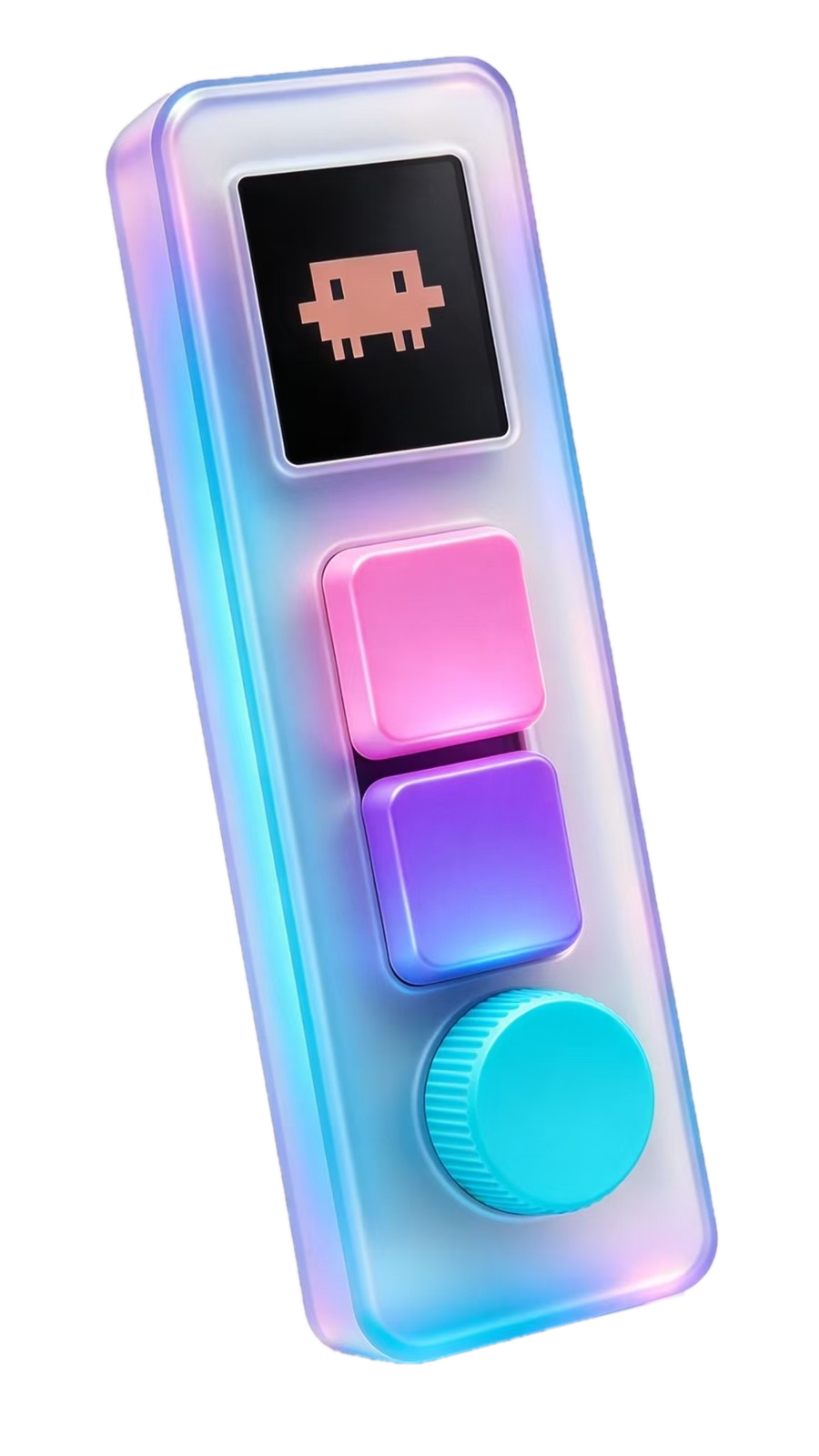
Over the past year of high-intensity voice collaboration with AI, I realized that AI is a remarkably patient listener—it never interrupts when I hesitate or fumble my thoughts. However, being chained to a desk kills my creative flow and wrecks my lower back. Unsatisfied with clunky off-the-shelf micro-keypads that look like unrefined PCB prototypes, I decided to DIY a dedicated handheld AI voice controller. Designed for pacing around the study, this ergonomic device integrates a built-in microphone, low-latency wireless, tactile action keys, an AI reasoning-depth dial, a context joystick, and ambient RGB state indicators. In this post, I break down the core interaction philosophy, hardware architecture, and my 2-week sprint to build a fully working demo.